

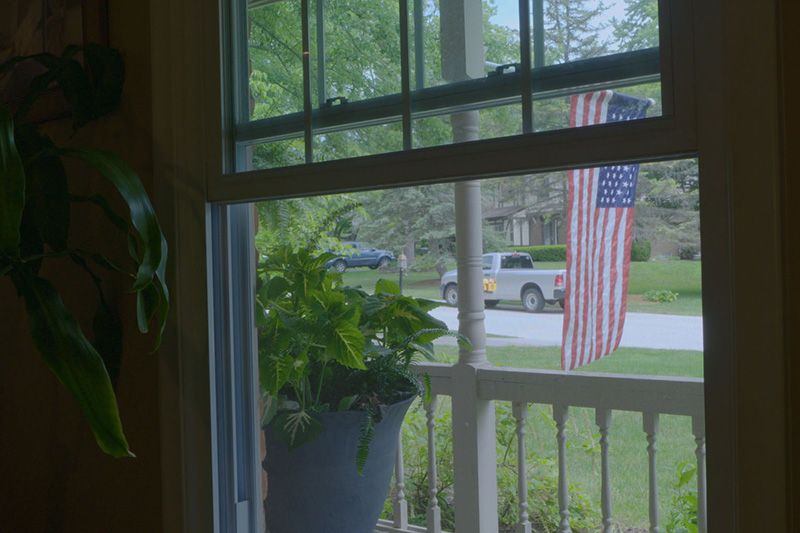
Cool your home by opening the windows at night and save on your energy bill. The outdoor breeze will keep your home feeling cool.
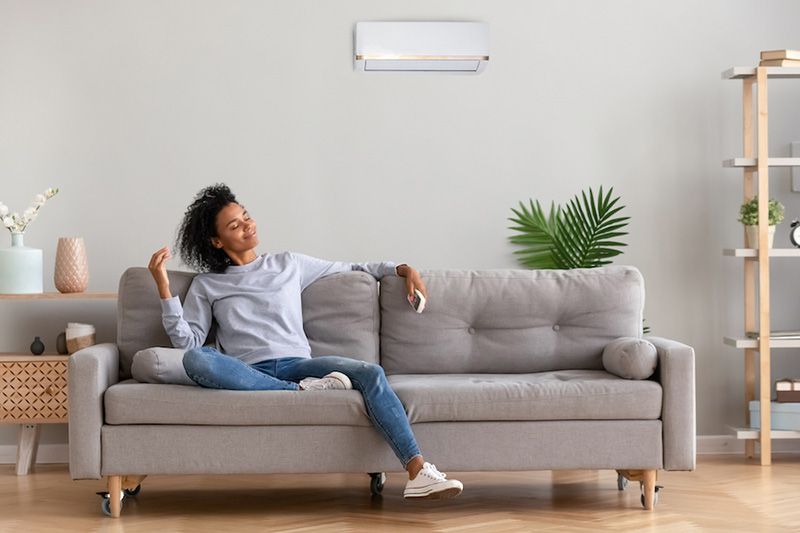
Our Interstate Heating Co. team wants to give you a comprehensive list of the different indoor air quality accessories available today. Investing in one or more of these technologies and tools will help you and your family breathe a little easier.

Keeping clean air circulating your home is very especially important due to more time spent at home. Contact us today for more information.
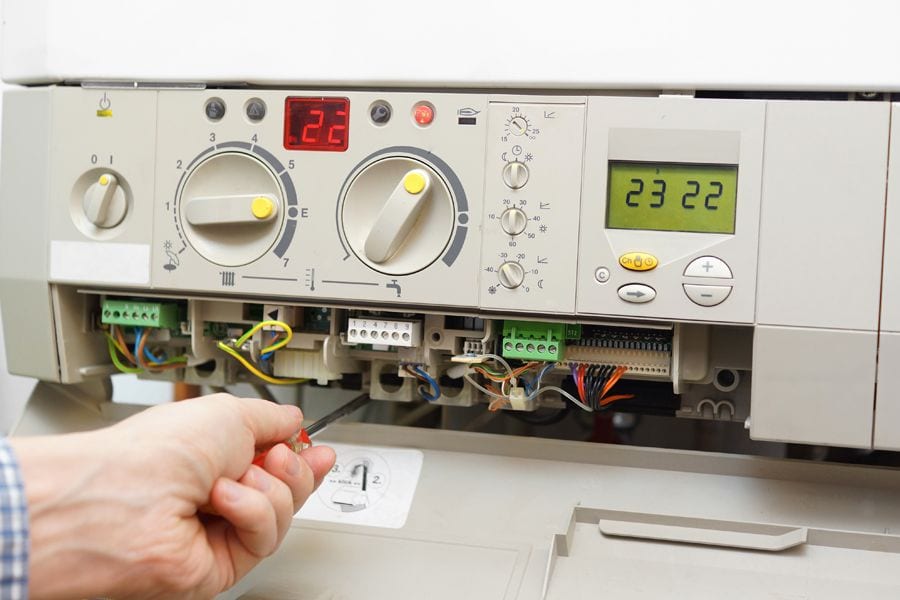
Is your furnace blowing air without pause? If so, you’re probably feeling a bit concerned.

Indoor air quality is on everyone’s mind but how do you know what equipment is right for your home?

We take great pride in offering practical solutions that add comfort and safety to your Sussex home or business.
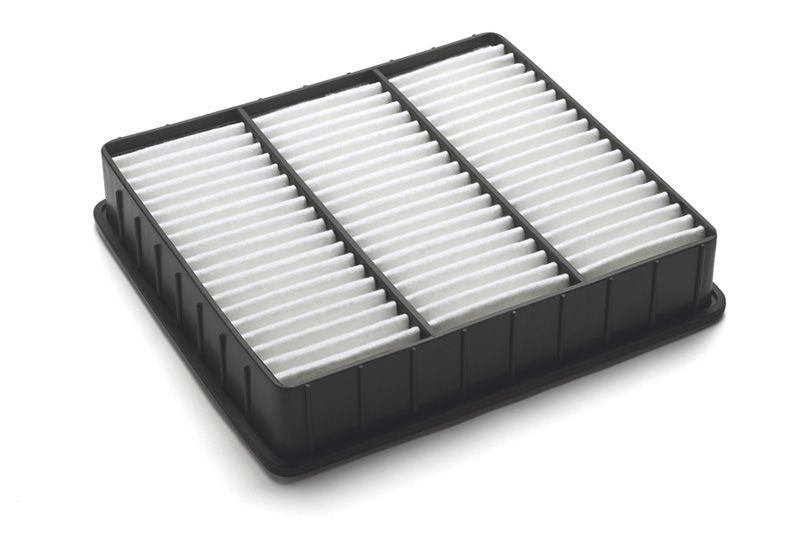
You have just inspected your air filter, only to find it is sopping wet! Thoughts begin to race through your head, and you ask yourself, Is my furnace breaking down?

Your fuel-burning furnace has a number of mechanisms allowing it to run safely and effectively. These features prevent fires and protect your indoor air quality (IAQ)

You turn on your furnace, and you smell gas. What should you do?

Looking to install a new heater in your Sussex home? Your two most popular choices are a heat pump and a furnace. Each one has advantages and disadvantages when compared to the other.